Description
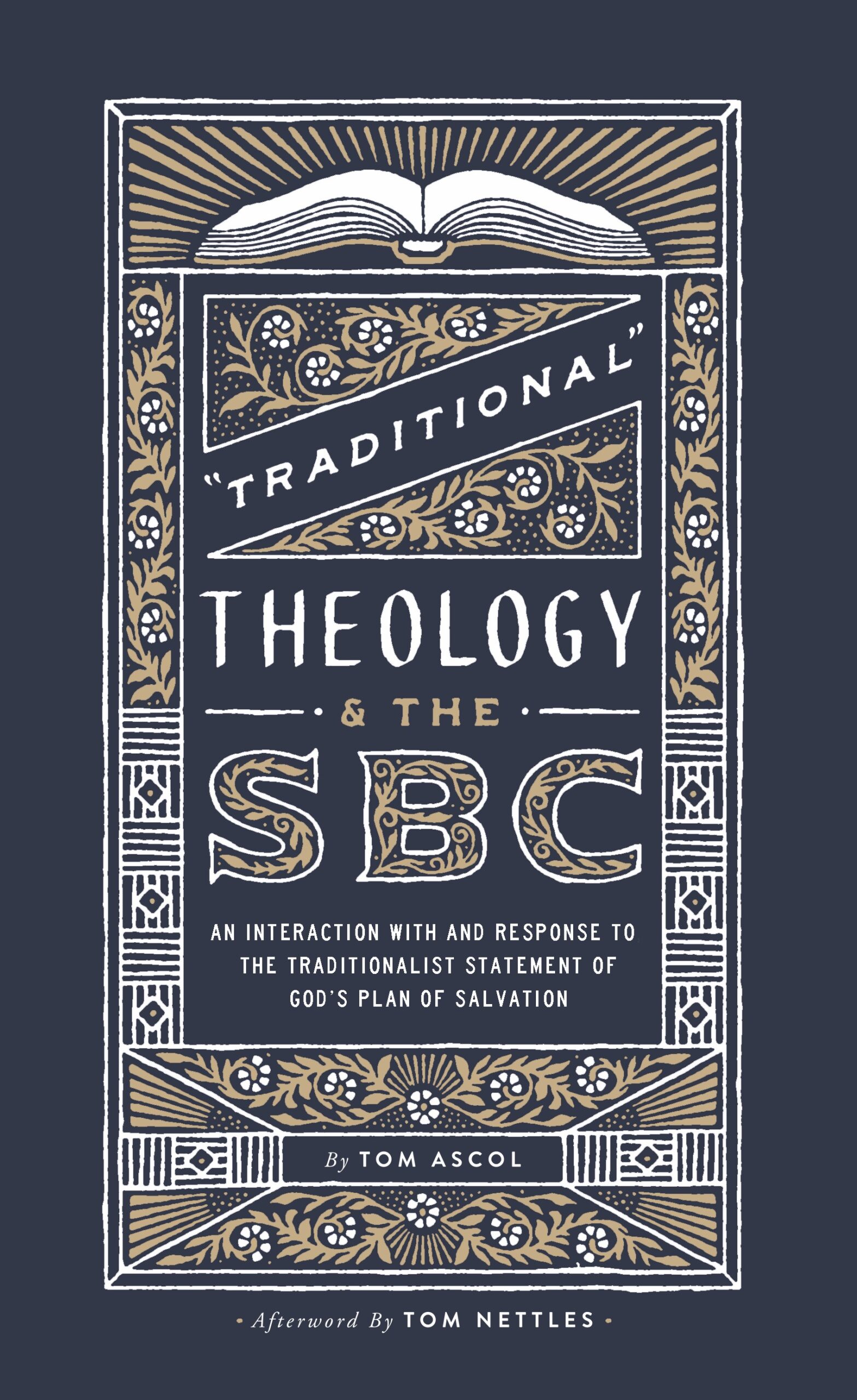
This book offers a careful response to the “Statement of Traditional Southern Baptist Understanding of God’s Plan of Salvation,” a document written in 2012 in opposition to the resurgence of the doctrines of grace within the Southern Baptist Convention. With clarity and conviction, Tom Ascol examines the theological claims of the Traditionalist Statement and evaluates them in light of Scripture and Baptist history.
Written in the context of ongoing debates over Calvinism, the book seeks to move beyond caricatures and misrepresentations by engaging the issues directly and thoughtfully. While firmly defending the doctrines of grace, Ascol writes with respect toward those with whom he disagrees and repeatedly calls for humility, charity, and faithfulness to God’s Word in theological discussion.
At the heart of the book is a concern for the purity of the gospel and the future theological health of Southern Baptist life. The author argues that the doctrines of grace are not foreign to Baptist identity, but deeply rooted in the denomination’s history and confessional heritage. Both theological critique and pastoral appeal, this work encourages Southern Baptists to think carefully about the gospel they proclaim and the doctrinal foundations that shape their mission, unity, and witness to the world.
Endorsements
I suppose the word “traditional” can mean different things to different people. Is it traditional because something has been followed for the past 75-100 years and thus establishing it as right? Dr. Tom Ascol looks at the claims of the “Traditional Baptists” who want to claim a fairly recent doctrinal view as foundational and traditional. Tom approaches the subject historically, and biblically, but at all times pastorally! I commend this book if you want to see where Southern Baptists find their roots theologically. A theology that birthed one of the greatest missions and evangelism movements in modern history.
Bill Haynes
Senior Pastor
Grace Baptist Church
Somerset, KY 42503
“Dr. Ascol presented some of this work in our fall lectures a few years ago. The contrasts of the Traditionalist Statement to Baptist Faith & Message and his rebuttals were informative, even handed, and extremely well-received. This is an extraordinarily valuable read for any Baptist.”
Dr. Charley Holmes, President
Baptist Missionary Association Theological Seminary (BMATS)
Contents
Preface to the Revised Edition
Introduction
1. Interacting with the Preamble
2. The Preamble (Part 1)
3. The Preamble (Part 2)
4. Interacting with Article One: The Gospel
5. Interacting with Article Two: The Sinfulness of Man
6. Interacting with Article Three: The Atonement of Christ
7. Interacting with Article Four: The Grace of God
8. Interacting with Article Five: The Regeneration of the Sinner
9. Interacting with Article Six: The Election to Salvation
10. Interacting with Article Seven: The Sovereignty of God
11. Interacting with Article Eight: The Free Will of Man
12. Interacting with Article Nine: The Security of the Believer
13. Interacting with Article Ten: The Great Commission
Conclusion
Afterword by Dr. Tom Nettles
Appendix One: “A Statement of the Traditional Southern Baptist Understanding of God’s Plan of Salvation” by Eric Hankins
Appendix Two: “Polemic Theology: How to Deal with Those Who Differ From Us” by Roger Nicole
Book Details
Traditional Theology & the SBC
An Interaction with, and response to,
The Traditionalist Statement of God’s Plan of Salvation
Revised Edition
By Tom Ascol
©2018 Founders Press
ISBN: 978–1–943539–11–6
122 pages (hard cover)
Only logged in customers who have purchased this product may leave a review.







thomas.fortner (verified owner) –
This is an excellent and balanced approach to constructive criticism of the Traditional Statement authored by Eric Hankins. In fact, the Traditional Statement is included in its entirety to provide a convenient way to verify Dr. Ascol’s critiques. Appendix 2 is an article written by Roger Nicole on “How to Deal With Those Who Differ From Us,” and that article is worth the price of the book by itself. I strongly recommend this book to those who have questions about the Traditional Statement, or (like me) have many (even most) friends who stand strongly on the other side.