Description
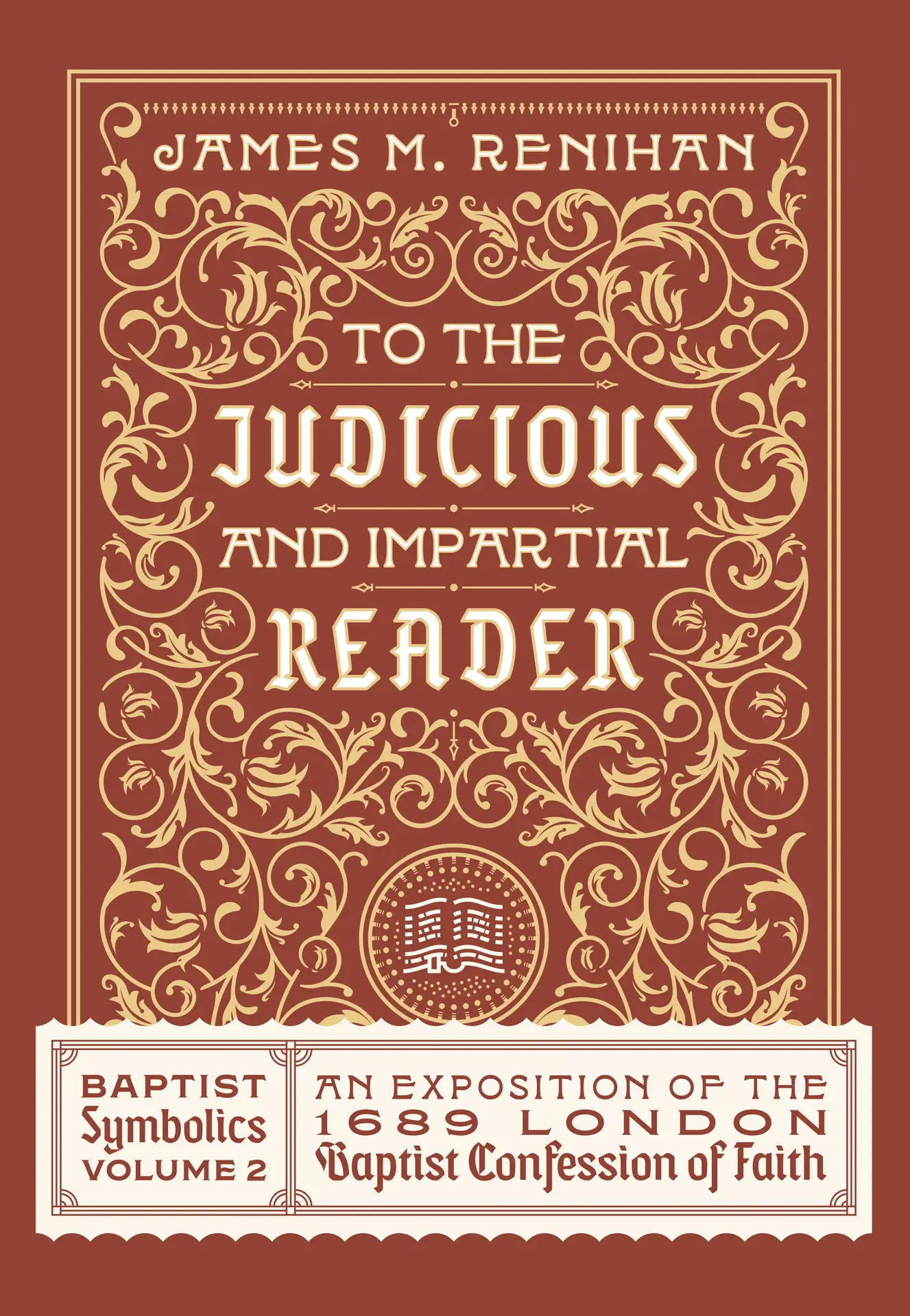
What did the Second London Baptist Confession originally mean in its own historical moment—and why does that matter for the church today? In this carefully researched exposition, James Renihan places the 1677/1689 Confession back into its seventeenth-century world, helping readers hear it as its original authors intended.
Renihan walks through the confession and examines its language, structure, and theological commitments in light of the debates, sources, and controversies that shaped early Reformed Baptist identity. The result is a historically grounded and theologically rich guide that connects the confession to wider Reformed orthodoxy while highlighting its distinct Baptist convictions.
Endorsed by leading theologians and scholars such as Tom Nettles, Timothy George, J.V. Fesko, and Matthew C. Bingham, this volume has been praised as both a work of scholarship and a tool for theological formation.
Inside this book you will find:
- A contextual-historical exposition of the 1689 Confession
- Explanation of key theological terms in their original setting
- Analysis of seventeenth-century Puritan and Baptist influences
- A clear map of the confession’s structure and doctrinal flow
- Engagement with Reformed Protestant orthodoxy
- Insight into the controversies shaping early Baptist identity
- Reflection on doctrine as a guide for worship and devotion
Clear, detailed, and deeply rooted in primary sources, this work is especially valuable for pastors, students, and churches seeking to understand not only what the confession says, but what it means and why it still matters.
Book Details
To the Judicious and Impartial Reader: Baptist Symbolics Volume 2
by James Renihan
©2022 Founders Press
Printed in the United States of America
ISBN: 978-1-943539-34-5
Page Count: 688
Hardcover
Available in the UK via Broken Wharfe.